NMC #10491 MBBS, MD, DM (Cardiology) एमबीबीएस, एमडी, डीएम (कार्डियोलोजी)
drbirattimalsena@gmail.com
BK
Dr. Birat K. Timalsena डा. बिराट कृ. तिमल्सेना

Heart Health Knowledge Hub मुटु स्वास्थ्य सचेतना केन्द्र

Evidence-Based Patient Education • Bilingual (English & नेपाली) प्रमाणित मुटु स्वास्थ्य जानकारी • नेपाली र अंग्रेजी भाषामा

10 Essential Heart Health Guides for Nepalese Families नेपाली परिवारका लागि १० अत्यन्त महत्वपूर्ण मुटु स्वास्थ्य लेखहरू

Authored by Dr. Birat Krishna Timalsena (MBBS, MD, DM Cardiology, NMC #10491), Interventional Cardiologist at Shahid Gangalal National Heart Centre. Every article below can be read in English or Nepali and shared directly with your family on WhatsApp, Facebook, or X. शहीद गंगालाल राष्ट्रिय हृदय केन्द्रका वरिष्ठ इन्टरभेन्शनल कार्डियोलोजिस्ट डा. बिराट कृष्ण तिमल्सेना (MBBS, MD, DM Cardiology, NMC #10491) द्वारा लिखित जनचेतनामूलक लेखहरू। प्रत्येक लेखलाई नेपाली वा अंग्रेजीमा पढ्न र परिवारसँग शेयर गर्न सकिन्छ।

Choose Article Language (भाषा छान्नुहोस्): लेखको भाषा छान्नुहोस् (Choose Language):
Quick Jump to Any of the 10 Articles: सिधै पढ्न चाहेको विषयमा क्लिक गर्नुहोस् (१० लेखहरू):
Emergency ECG evaluation for chest pain vs gastritis in Nepal
Article 01 • Emergency Cardiac Care लेख ०१ • आकस्मिक मुटु सचेतना By Dr. Birat Krishna Timalsena (MD, DM Cardiology)

Is It "Gastric" or a Heart Attack? How to Recognize Deadly Chest Pain in Time ग्यास्ट्रिक हो कि हृदयघात? छातीको खतरनाक दुखाइ समयमै कसरी चिन्ने?

In Nepal, the single biggest reason patients arrive late to the hospital during a life-threatening heart attack is mistaking cardiac chest pain for "gastric" (acidity or indigestion). Anatomically, the inferior (bottom) wall of the heart rests directly on the diaphragm right above the stomach. When the artery supplying that part of the heart becomes blocked, patients feel upper abdominal burning, fullness, belching, and nausea—symptoms that closely mimic gastritis.

नेपालमा हृदयघात हुँदा बिरामीहरू ढिलो अस्पताल आइपुग्नुको सबैभन्दा मुख्य कारण छातीको दुखाइलाई 'ग्यास्ट्रिक' ठान्नु हो। शारीरिक बनावट अनुसार मुटुको तल्लो भाग (Inferior wall) र आमाशय (पेट) एकदमै नजिकै रहन्छन्। जब मुटुको तल्लो भागमा रगत पुर्याउने नसा बन्द हुन्छ, तब पेटको माथिल्लो भाग पोल्ने, अमिलो डकार आउने, वाकवाकी लाग्ने र छाती भारी हुने जस्ता ग्यास्ट्रिकसँग मिल्दोजुल्दो लक्षण देखिन्छ।

5 Clear Signs That Your Discomfort Is From the Heart (Angina / Heart Attack): दुखाइ मुटुको कारणले हो भनी चिन्ने ५ प्रमुख लक्षणहरू:
  • Diffuse Pressure, Not a Needle Point: Cardiac pain feels like a heavy weight, squeezing, tightness, or choking sensation across the center or left side of the chest—not a tiny spot you can point to with one finger. छाती थिचेको वा भारी भएको अनुभव: औंलाले देखाउन मिल्ने एक ठाउँमा मात्र चस्स दुख्ने नभई छातीको बीच वा बायाँ भागमा भारी ढुङ्गाले थिचेको वा निचोरेको जस्तो हुने।
  • Radiation to Arm, Jaw, or Back: The heaviness often spreads to the left shoulder, inner left arm, neck, lower jaw, or upper back between the shoulder blades. दुखाइ शरीरको अन्य भागमा सर्ने: छातीको असजिलोपन बायाँ काँध, बायाँ हात, घाँटी, तल्लो चिउँडो वा ढाडतिर सर्ने।
  • Triggered by Walking or Climbing Stairs: Pain that starts or worsens when walking uphill, carrying loads, or climbing stairs—and improves after resting for 5–10 minutes—is classic angina from a blocked coronary artery. हिँड्दा वा उकालो चढ्दा बढ्ने: उकालो हिँड्दा वा भर्याङ चढ्दा छाती भारी हुने र ५–१० मिनेट आराम गर्दा कम हुने लक्षण मुटुको नसा साँघुरिएको स्पष्ट संकेत हो।
  • Cold Sweats & Breathlessness: Accompanied by drenching cold sweat (pasina aune), sudden shortness of breath, dizziness, or a feeling of impending doom. चिसो पसिना र स्वाँस्वाँ: दुखाइसँगै शरीरमा चिसो पसिना आउने, सास फेर्न गाह्रो हुने, रिंगटा लाग्ने वा अत्यधिक छटपटी हुने।
  • No Relief from Antacids or Burping: Unlike simple acidity, heart attack pain does not resolve after drinking warm water or taking gastric tablets (pantoprazole/antacids). ग्यास्ट्रिकको औषधिले काम नगर्ने: तातो पानी पिउँदा वा ग्यास्ट्रिकको औषधि खाँदा पनि छातीको भारीपन कम नहुने।

Dr. Birat's Golden Rule ("Time Is Muscle"): During a heart attack, millions of heart muscle cells die every minute the artery remains blocked. If you are over 30—or have diabetes, high BP, high cholesterol, or smoke—and experience unusual chest or upper abdominal heaviness lasting more than 15 minutes, do not wait at home. Go immediately to an emergency room for a 12-lead ECG and Troponin blood test. Opening the blocked artery via emergency radial angioplasty within the first "Golden Hour" saves your heart and your life.

डा. बिराटको मुख्य सुझाव ("समय नै मुटुको मांसपेशी हो"): हृदयघात हुँदा नसा बन्द भएको प्रत्येक मिनेटमा मुटुका लाखौं कोषहरू नष्ट भइरहेका हुन्छन्। यदि तपाईं ३० वर्ष नाघेको हुनुहुन्छ (वा सुगर, प्रेसर, कोलेस्ट्रोल र चुरोटको बानी छ) र १५ मिनेटभन्दा बढी छाती वा पेटको माथिल्लो भाग भारी भयो भने घरमै कुरेर नबस्नुहोस्। तुरुन्त अस्पताल गई ईसीजी (12-lead ECG) जाँच गराउनुहोस्। समयमै अस्पताल पुगेमा एन्जियोप्लास्टी गरी मुटुलाई पूर्ण क्षति हुनबाट बचाउन सकिन्छ।

Share Article #1: यो लेख शेयर गर्नुहोस्:
Preventing heart attacks in young Nepalese adults under age 40
Article 02 • Preventive Cardiology लेख ०२ • युवा मुटु स्वास्थ्य By Dr. Birat Krishna Timalsena (MD, DM Cardiology)

Why Heart Attacks Are Rising Among Young Nepalese Under 40 — And How to Protect Yourself ४० वर्षमुनिका नेपाली युवामा किन बढ्दैछ हृदयघात? कसरी बच्ने?

Twenty years ago, heart attacks were considered a disease of retirement. Today in our catheterization lab at Shahid Gangalal National Heart Centre, we regularly perform life-saving emergency stenting on young Nepalese men and women aged 25 to 40. Large South Asian epidemiological studies show that people from the Indian subcontinent develop heart attacks 8 to 10 years earlier than Western populations due to a combination of genetic predisposition (elevated Lipoprotein(a), narrower coronary arteries, and central abdominal obesity) and rapid lifestyle shifts.

केही दशकअघिसम्म बुढेसकालको रोग मानिने हृदयघात आजकल २५ देखि ४० वर्षका नेपाली युवाहरूमा भयावह रूपमा बढिरहेको छ। शहीद गंगालाल राष्ट्रिय हृदय केन्द्रको क्याथल्याबमा हामीले दैनिकजसो युवा अवस्थाका बिरामीहरूको आकस्मिक एन्जियोप्लास्टी गरिरहेका छौं। वैज्ञानिक अध्ययनका अनुसार वंशाणुगत कारण, पेटमा जम्ने बोसो (Central Obesity) र मुटुका नसाको बनावटका कारण दक्षिण एसियाली (नेपाली) हरूमा पश्चिमा देशको तुलनामा १० वर्ष अगाडि नै हृदयघातको जोखिम देखिन्छ।

  • 1. Tobacco Smoking (The #1 Trigger in Under-40s): In over 70% of young heart attack patients we treat, cigarette smoking or vaping is the primary trigger. Nicotine and carbon monoxide tear the delicate inner lining of coronary arteries and cause sudden, massive blood clots even when underlying cholesterol plaque is mild. १. चुरोट र धूम्रपान (युवामा ७०% भन्दा बढीको मुख्य कारण): ४० वर्षमुनि हृदयघात भई अस्पताल आउने अधिकांश युवामा चुरोट, भेप वा सुर्ती सेवन मुख्य कारण देखिन्छ। यसले मुटुको नसाभित्र अचानक रगतको ढिक्का जम्ने (Thrombosis) र नसा १००% बन्द हुने गराउँछ।
  • 2. Silent High BP, Pre-Diabetes & High Triglycerides: Most 30-year-olds feel energetic and never check their blood pressure or lipid profile, allowing high blood pressure and sugar to silently scar their arteries for years. २. थाहा नभएको उच्च रक्तचाप र सुगर: युवाहरूले आफूलाई स्वस्थ ठानेर कहिल्यै प्रेसर वा रगत जाँच नगर्दा भित्रभित्रै उच्च रक्तचाप, सुगर र ट्राइग्लिसराइड्सले मुटुको नसालाई साँघुरो बनाइरहेको हुन्छ।
  • 3. Chronic Stress, Poor Sleep & Energy Drinks: Working late nights, sleeping less than 6 hours, high occupational stress, and excessive energy drinks surge adrenaline and cortisol, triggering coronary artery spasm and plaque rupture. ३. मानसिक तनाव, अनिद्रा र अस्वस्थ खानपान: अत्यधिक तनाव, राति ६ घण्टाभन्दा कम निद्रा, व्यायामको कमी र जंक फुड तथा इनर्जी ड्रिंक्सको प्रयोगले युवा मुटुलाई गम्भीर असर गर्छ।

Your 4-Step Protection Plan: (1) Quit smoking completely—your heart attack risk drops by 50% within 1 year of quitting; (2) Walk briskly or exercise for 30–45 minutes daily; (3) Keep waist circumference below 90 cm (men) and 80 cm (women); and (4) Start annual screening of Blood Pressure, Fasting Blood Sugar/HbA1c, and Lipid Profile at age 25–30.

युवाहरूले आजै अपनाउनुपर्ने ४ उपाय: (१) चुरोट र सुर्ती पूर्ण रूपमा छोड्नुहोस्—चुरोट छोडेको १ वर्षभित्रै हृदयघातको जोखिम ५०% ले घट्छ; (२) दैनिक ३०–४५ मिनेट व्यायाम वा छिटो हिँड्ने बानी बसाल्नुहोस्; (३) पेटको घेरा बढ्न नदिनुहोस्; र (४) २५–३० वर्षको उमेरदेखि नै वर्षमा एकपटक प्रेसर, सुगर र लिपिड प्रोफाइल जाँच गराउनुहोस्।

Share Article #2: यो लेख शेयर गर्नुहोस्:
Blood pressure monitoring and hypertension management in Nepal
Article 03 • Blood Pressure Care लेख ०३ • उच्च रक्तचाप नियन्त्रण By Dr. Birat Krishna Timalsena (MD, DM Cardiology)

High Blood Pressure (Hypertension): The Silent Killer & Myths About Stopping Medicine उच्च रक्तचाप (हाई प्रेसर): साइलेन्ट किलर र औषधि छोड्ने भ्रमबारे यथार्थ

Every week in Kathmandu, we see patients admitted with devastating brain strokes (paralysis), heart attacks, or kidney failure simply because they believed two common neighbourhood myths about blood pressure: "I don't have a headache or dizziness, so my BP of 160/100 doesn't need medicine," and "Once you start BP medicine, your body gets addicted to it, or you should stop it as soon as your BP returns to 120/80."

नेपालमा उच्च रक्तचाप (हाई प्रेसर) बारे समाजमा रहेका दुईवटा गलत धारणाले गर्दा बर्सेनि हजारौं व्यक्तिहरू मस्तिष्कघात (प्यारालाइसिस), हृदयघात र मृगौला फेल हुने अवस्थामा पुग्छन्: पहिलो भ्रम—"मलाई टाउको दुखेको वा रिंगटा लागेको छैन, त्यसैले प्रेसर १६०/१०० भए पनि औषधि खानुपर्दैन"; र दोस्रो भ्रम—"प्रेसरको औषधि एकपटक खाएपछि बानी पर्छ वा प्रेसर १२०/८० आएपछि औषधि छोड्नुपर्छ।"

What Every Blood Pressure Patient Must Know: उच्च रक्तचापका बिरामीले जान्नैपर्ने ३ वैज्ञानिक तथ्यहरू:
  • Why It Is Called the "Silent Killer": Over 80% of people with dangerously high blood pressure feel completely normal until a blood vessel bursts in the brain (stroke) or blocks in the heart. किन 'साइलेन्ट किलर' भनिन्छ? ८०% भन्दा बढी उच्च रक्तचापका बिरामीमा बाहिरी लक्षण देखिँदैन, तर भित्रभित्रै उच्च चापले मुटु, मस्तिष्क र मृगौलाका मसिना नसाहरू नष्ट गरिरहेको हुन्छ।
  • BP Medicines Protect Your Kidneys—They Do Not Damage Them: Uncontrolled high blood pressure is one of the top causes of dialysis in Nepal. Daily BP tablets shield kidney filters from high pressure. औषधिले मृगौला बिगार्दैन, बरु बचाउँछ: अनियन्त्रित उच्च रक्तचाप नै मृगौला फेल हुने प्रमुख कारण हो। प्रेसरको औषधिले मृगौलालाई उच्च चापबाट जोगाउँछ।
  • Normal BP on Medicine Means the Medicine Is Working: Stopping your tablet because your home BP is 120/80 causes a dangerous "rebound surge" in blood pressure within days. प्रेसर सामान्य आउनुको अर्थ औषधिले काम गरेको हो: औषधि खाइरहेको बेला प्रेसर १२०/८० आउँदा आफूखुसी औषधि छोडेमा केही दिनमै प्रेसर ह्वात्तै बढेर मस्तिष्कघात हुन सक्छ।

How to Measure BP Correctly at Home: Sit quietly for 5 minutes with your back supported and feet flat on the floor (do not cross your legs). Avoid tea, coffee, or smoking for 30 minutes prior. Use a validated upper-arm digital monitor at heart level and record the average of two readings taken 1 minute apart. Your target should generally be below 130/80 mmHg.

घरमा सही तरिकाले प्रेसर नाप्ने विधि: प्रेसर नाप्नुभन्दा ३० मिनेट अगाडि चिया, कफी वा चुरोट नखानुहोस्। कुर्सीमा ढाड अड्याएर र खुट्टा भुइँमा सिधा राखेर ५ मिनेट आराम गरेपछि मात्र पाखुरामा बाँध्ने डिजिटल मेसिनले नाप्नुहोस्। सामान्यतया औषधि खाँदा रक्तचाप १३०/८० mmHg भन्दा कम हुनुपर्छ।

Share Article #3: यो लेख शेयर गर्नुहोस्:
Radial coronary angiography and stenting in catheterization lab
Article 04 • Coronary Interventions लेख ०४ • मुटुको नसा ब्लकेज र स्टेन्ट By Dr. Birat Krishna Timalsena (MD, DM Cardiology)

Heart Blockage (Coronary Artery Disease): When Do You Need Stenting vs. Medicine Alone? मुटुको नसा ब्लकेज: कहिले औषधिले पुग्छ र कहिले स्टेन्ट (जाली) राख्नुपर्छ?

Being told you have a "heart blockage" (Coronary Artery Disease) often causes immediate fear that surgery or stenting is unavoidable. In reality, treatment decisions in modern interventional cardiology are guided by strict international clinical evidence based on blockage severity, location, and patient symptoms:

मुटुको नसामा 'ब्लकेज' (Coronary Artery Disease) छ भन्ने सुन्नेबित्तिकै बिरामी र परिवारमा अब अपरेशन वा स्टेन्ट राख्नैपर्छ कि भन्ने डर पैदा हुन्छ। तर आधुनिक कार्डियोलोजीमा नसा कति प्रतिशत ब्लक छ र बिरामीलाई कस्तो लक्षण छ भन्ने आधारमा उपचार तय गरिन्छ:

1. Mild/Moderate (<70% Blockage) १. ७०% भन्दा कम ब्लकेज (औषधि मात्र)

Blockages under 70% in non-critical segments rarely need a stent. High-intensity statins (to keep LDL <55 mg/dL), antiplatelets, and lifestyle changes stabilize the plaque safely. सामान्यतया ७०% भन्दा कम ब्लकेज भएमा स्टेन्ट (जाली) राख्नु पर्दैन। कोलेस्ट्रोल घटाउने (Statin) र रगत पातलो गर्ने औषधिबाटै नसा सुरक्षित राखिन्छ।

2. Severe (≥70%) or Heart Attack २. ७०% भन्दा बढी ब्लकेज (स्टेन्टिङ)

When a major artery is 70–100% blocked causing chest pain (angina) or an acute heart attack, wrist-access Radial Angioplasty (Stenting) opens the blockage in 30 minutes without open surgery. मुख्य नसा ७०–१००% ब्लक भई छाती दुख्ने वा हृदयघात भएमा हातको नाडीबाट तार पठाई (Radial Angioplasty) स्टेन्ट राखेर बिना अपरेशन नसा खोलिन्छ।

3. Triple-Vessel Disease (CABG) ३. तीनवटै नसामा जटिल ब्लकेज

If all three major coronary arteries have diffuse, long, calcified blockages—especially in diabetic patients with weak heart pumping—Coronary Bypass Surgery (CABG) may offer the best long-term outcome. मुटुका तीनवटै मुख्य नसामा लामो र जटिल ब्लकेज भएमा (विशेषगरी मधुमेहका बिरामीमा) बाइपास शल्यक्रिया (CABG) उपयुक्त हुन सक्छ।

Life After Stenting: A drug-eluting stent acts as a permanent metallic scaffold keeping your artery open, but you must take prescribed dual blood thinners (aspirin + clopidogrel/ticagrelor/prasugrel) without missing a single day to prevent stent clotting, alongside lifelong statin therapy.

स्टेन्ट राखेपछिको सावधानी: स्टेन्ट राखेपछि नसा पुनः बन्द हुन नदिन डाक्टरको सल्लाह अनुसार रगत पातलो गर्ने औषधि (Dual Antiplatelets) र कोलेस्ट्रोलको औषधि एक दिन पनि नछुटाई नियमित खानुपर्छ।

Share Article #4: यो लेख शेयर गर्नुहोस्:
Heart healthy balanced diet for cholesterol and triglycerides in Nepal
Article 05 • Cholesterol & Nutrition लेख ०५ • कोलेस्ट्रोल र खानपान By Dr. Birat Krishna Timalsena (MD, DM Cardiology)

Cholesterol & Triglycerides in Nepal: The Truth About Rice, Meat, Dairy & Cooking Oil कोलेस्ट्रोल र ट्राइग्लिसराइड्स: भात, मासु र दुध-दही खाँदा मुटुमा कस्तो असर पर्छ?

Many Nepalese patients are surprised to see high cholesterol or sky-high triglycerides (300–500 mg/dL) on their lab reports despite eating home-cooked vegetarian meals. Understanding the difference between LDL ("Bad" Cholesterol) and Triglycerides explains why:

घरकै सादा र शाकाहारी खाना खाने धेरै नेपालीहरूमा पनि रगत जाँच्दा कोलेस्ट्रोल र ट्राइग्लिसराइड्स (Triglycerides) निकै उच्च देखिने गर्छ। यसको मुख्य कारण बुझ्न एलडीएल (LDL) र ट्राइग्लिसराइड्स बीचको फरक थाहा पाउनुपर्छ:

  • Why LDL Cholesterol Rises: About 75% of LDL cholesterol is synthesized inside your own liver due to genetics, while 25% comes from saturated and trans fats (red meat/mutton fat, excess ghee/butter, vanaspati, and reheated deep-frying oil used in samosas, pakoras, and selroti). एलडीएल (LDL) किन बढ्छ? रगतमा हुने खराब कोलेस्ट्रोलको ७५% हिस्सा कलेजोले वंशाणुगत कारणले आफैं बनाउँछ भने २५% खसी/राँगाको बोसो, अत्यधिक घिउ, डाल्डा र बारम्बार तताएको तेलमा पकाएका परिकार (समोसा, पकोडा, सेलरोटी) बाट आउँछ।
  • Why Triglycerides Are So High in Nepal: High triglycerides are driven primarily by excess carbohydrates, sugar, and alcohol—not just oil! Eating large plates of white rice twice a day, sweetened milk tea, bakery biscuits, soft drinks, and alcohol forces your liver to convert extra glucose directly into triglycerides. नेपालीमा ट्राइग्लिसराइड्स किन उच्च हुन्छ? ट्राइग्लिसराइड्स चिल्लोले मात्र नभई मुख्यतया धेरै भात, मैदा, चिनी र मदिरा ले बढाउँछ। बिहान-बेलुका थालभरि सेतो भात खाने, गुलियो चिया-बिस्कुट खाने र रक्सी सेवन गर्ने बानीले कलेजोमा कार्बोहाइड्रेटलाई सिधै ट्राइग्लिसराइड्समा बदल्छ।
  • What Should Your LDL Target Be? For healthy individuals, LDL should be <100 mg/dL; for diabetics or high-BP patients, <70 mg/dL; and for anyone with a heart blockage or prior stent, strictly <55 mg/dL. तपाईंको कोलेस्ट्रोल लक्ष्य कति हुनुपर्छ? सामान्य व्यक्तिका लागि LDL १०० भन्दा कम, मधुमेह वा उच्च रक्तचाप भएकालाई ७० भन्दा कम, र मुटुको नसा ब्लकेज वा स्टेन्ट राखेका बिरामीका लागि अनिवार्य रूपमा ५५ mg/dL भन्दा कम हुनुपर्छ।

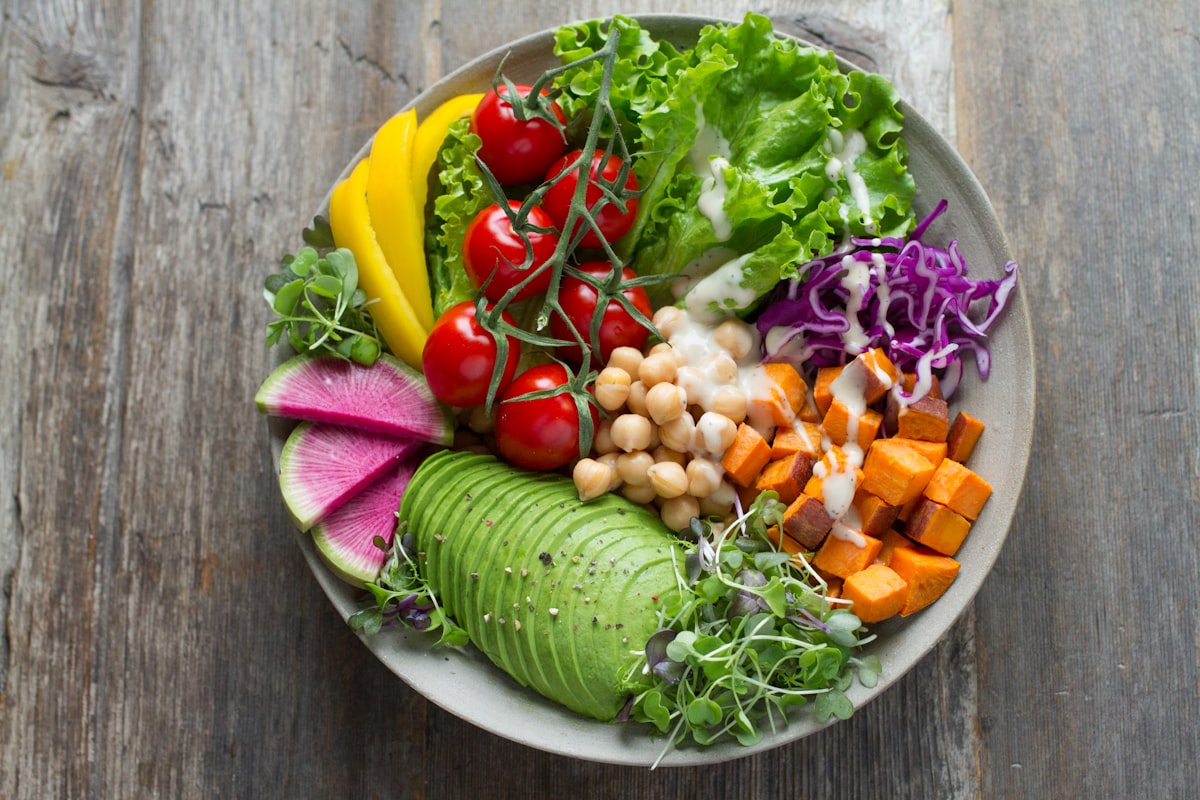
Smart Kitchen Swaps: Cut white rice portions in half and add more green vegetables (saag), dal, and cucumber/carrot salad. Avoid red meat (mutton/buff/pork) and choose grilled/boiled fish or skinless chicken occasionally. Use mustard, soybean, or sunflower oil sparingly (<3 teaspoons/day), enjoy skimmed curd/milk, and eat 5–8 soaked almonds and 2 walnuts daily.

भान्सामा आजै गर्ने सुधार: भातको मात्रा आधा घटाएर हरियो सागपात, दाल र सलाद दोब्बर बनाउनुहोस्। खसी, राँगा र बंगुरको रातो मासु छोडेर हप्तामा १–२ पटक माछा वा छाला फालेको कुखुराको मासु कम तेलमा पकाएर खान सकिन्छ। दैनिक ५–८ दाना भिजाएको बदाम र २ वटा ओखर खानु मुटुका लागि अत्यन्त लाभदायक छ।

Share Article #5: यो लेख शेयर गर्नुहोस्:
Non-surgical PTMC BMV and BPV balloon heart valve intervention in Nepal
Article 06 • Valvular Interventions (PTMC & BPV) लेख ०६ • मुटुको भल्भ उपचार (PTMC / BPV) By Dr. Birat Krishna Timalsena (MD, DM Cardiology)

Rheumatic Heart Disease & Narrowed Valves: Opening Heart Valves Without Surgery via PTMC (BMV) & BPV बाथ मुटुको रोग र साँघुरिएको भल्भ: बिना अपरेशन PTMC (BMV) र BPV प्रविधिबाट उपचार

In Nepal, Rheumatic Heart Disease (RHD) remains one of the most common causes of heart problems in young adults and pregnant women. It starts as an untreated bacterial throat infection (tonsillitis/pharyngitis) in childhood, triggering an immune reaction that slowly fuses and narrows the heart's mitral valve over years—a condition called Mitral Stenosis. Similarly, many children and young adults are born with a narrowed pulmonary valve (Pulmonary Stenosis).

नेपालमा युवा तथा गर्भवती महिलाहरूमा देखिने मुटुको भल्भसम्बन्धी समस्याको प्रमुख कारण 'बाथ मुटुको रोग' (Rheumatic Heart Disease) हो। बाल्यकालमा घाँटी दुख्ने (टन्सिल) संक्रमणको समयमै एन्टिबायोटिक उपचार नहुँदा शरीरको प्रतिरक्षा प्रणालीले मुटुको माइट्रल भल्भलाई बाक्लो र साँघुरो बनाउँछ, जसलाई Mitral Stenosis भनिन्छ। त्यस्तै कतिपयमा जन्मजात रूपमै फोक्सोतिर जाने भल्भ साँघुरिएको (Pulmonary Stenosis) हुन्छ।

How PTMC (BMV) and BPV Open Narrowed Valves Without Open-Heart Surgery: बिना शल्यक्रिया बेलुन प्रविधि (PTMC/BMV र BPV) ले कसरी काम गर्छ?
  • PTMC / BMV (Balloon Mitral Valvotomy): For patients with severe Mitral Stenosis whose valve leaflets are pliable on 2D Echo, we pass a slender Inoue balloon catheter through a tiny pinhole in the right groin vein while the patient is awake under local anesthesia. Inflating the balloon for just 2–3 seconds splits the fused valve commissures, immediately doubling the valve opening area and relieving lung congestion. PTMC (वा BMV) प्रविधि: साँघुरिएको माइट्रल भल्भ खोल्न बिरामीलाई बेहोस नबनाई तिघ्राको नसाबाट सानो तारमार्फत विशेष बेलुन (Inoue Balloon) मुटुभित्र पुर्याइन्छ। २–३ सेकेन्ड बेलुन फुलाउँदा टाँसिएको भल्भ तुरुन्तै खुल्छ र बिरामीको स्वाँस्वाँ तुरुन्त कम हुन्छ।
  • BPV (Balloon Pulmonary Valvuloplasty): For congenital Pulmonary Valve Stenosis, a balloon catheter is inflated across the tight pulmonary valve, permanently relieving right ventricular pressure overload without chest surgery. BPV प्रविधि: जन्मजात साँघुरिएको पल्मोनरी भल्भलाई पनि बिना अपरेशन बेलुन फुलाएर (BPV) स्थायी रूपमा खोल्न सकिन्छ।
  • Rapid Recovery & No Metallic Valve Needed: Patients walk the next morning, avoid lifelong metallic-valve blood thinners (warfarin) in most sinus-rhythm cases, and are discharged within 24–48 hours. छिटो डिस्चार्ज र कृत्रिम भल्भ फेर्नु नपर्ने: यस विधिमा छाती चिर्नु पर्दैन, आफ्नै प्राकृतिक भल्भ काम गर्ने हुन्छ र बिरामी २४–४८ घण्टाभित्रै घर फर्कन सक्छन्।
Share Article #6: यो लेख शेयर गर्नुहोस्:
Non-surgical ASD VSD PDA hole in heart device closure in Nepal
Article 07 • Congenital Heart Care लेख ०७ • जन्मजात मुटुको प्वाल By Dr. Birat Krishna Timalsena (MD, DM Cardiology)

Hole in the Heart (ASD, VSD, PDA): Non-Surgical Transcatheter Device Closure Explained जन्मजात मुटुको प्वाल (ASD, VSD, PDA): छाती नचिरी डिभाइसबाट कसरी बन्द गरिन्छ?

Hearing that your child or adult family member has a congenital "hole in the heart" (ASD — Atrial Septal Defect, VSD — Ventricular Septal Defect, or PDA — Patent Ductus Arteriosus) can be overwhelming. While tiny defects sometimes close naturally in infancy, medium-to-large defects allow oxygen-rich blood to leak back into the lungs, causing recurrent chest infections, poor weight gain in children, breathlessness, heart enlargement, and irreversible lung blood pressure (pulmonary hypertension) in adults.

आफ्नो बच्चा वा परिवारको कुनै सदस्यको मुटुमा जन्मजात प्वाल (जस्तै ASD, VSD वा PDA) छ भन्ने थाहा पाउँदा अभिभावकहरू निकै आत्तिने गर्नुहुन्छ। अति साना प्वालहरू बच्चा हुर्कंदै जाँदा आफैं टालिन पनि सक्छन्, तर मध्यम वा ठूला प्वालहरूले मुटुबाट फोक्सोमा अत्यधिक रगत पठाउँछन्। यसले गर्दा बच्चामा बारम्बार निमोनिया हुने, तौल नबढ्ने र वयस्कमा दम फुल्ने, मुटु सुनिने तथा फोक्सोको प्रेसर बढ्ने (Pulmonary Hypertension) जोखिम हुन्छ।

  • No Open-Heart Surgery or Chest Scar: Through a small catheter inserted in the leg vessel, a self-expanding Nitinol mesh double-disc device (like a miniature double umbrella) is positioned across the ASD, VSD, or PDA under real-time Echocardiogram and X-ray guidance. छाती चिर्नुपर्दैन र दाग बस्दैन: खुट्टाको नसाबाट सानो क्याथिटर (पाइप) पठाई विशेष धातुको जालीदार छतरी जस्तो 'डिभाइस' (Closure Device) प्वालमा लगेर जडान गरिन्छ।
  • Permanent Lifelong Cure: Over the next 3 to 6 months, the patient's own heart lining (endothelium) grows completely over the device, sealing the hole permanently for life. स्थायी समाधान: डिभाइस राखेको ३ देखि ६ महिनाभित्र मुटुको आफ्नै भित्री मासु र झिल्लीले डिभाइसलाई पूर्ण रूपमा ढाक्छ र प्वाल जीवनभरका लागि बन्द हुन्छ।
  • 24–48 Hour Hospital Stay: Most patients return to school or office work within a few days and only take a mild baby aspirin tablet for 6 months. १–२ दिनमै डिस्चार्ज: अपरेशन गर्नु नपर्ने हुँदा बिरामी भोलिपल्टै हिँडडुल गरी घर जान सक्छन् र केही दिनमै सामान्य कामकाज वा विद्यालय जान सक्छन्।
Share Article #7: यो लेख शेयर गर्नुहोस्:
ECG and Holter evaluation for heart palpitations in Nepal
Article 08 • Heart Rhythm & Palpitations लेख ०८ • मुटुको धड्कन र ढुकढुकी By Dr. Birat Krishna Timalsena (MD, DM Cardiology)

Heart Palpitations (Mutu Dhuk-Dhuk Hune): Anxiety or a Dangerous Heart Rhythm Disorder? मुटु ढुकढुक हुने समस्या: सामान्य आत्तिने बानी हो कि मुटुको धड्कनको रोग?

Feeling your heart race, pound in your throat, flutter, or "skip a beat" (mutu dhuk-dhuk hune) is one of the most common reasons patients visit our cardiology OPD. While many episodes are triggered by anxiety, panic, dehydration, low hemoglobin (anemia), thyroid overactivity, or excess caffeine, palpitations can also be the first sign of an electrical short-circuit in the heart (Arrhythmia), such as SVT (Supraventricular Tachycardia) or Atrial Fibrillation (AF).

मुटु ढुकढुक हुने, घाँटीसम्मै धड्कन महसुस हुने वा मुटुको चाल रोकिएजस्तो लाग्ने समस्या लिएर धेरै बिरामी ओपीडीमा आउनुहुन्छ। कतिपय अवस्थामा यो सामान्य चिन्ता (एन्जाइटी), चिया-कफीको बढी प्रयोग, रगतको कमी वा थाइराइडको गडबडीले हुन्छ भने कतिपयमा मुटुको विद्युतीय चालको गडबडी (जस्तै SVT वा Atrial Fibrillation) को कारणले हुन सक्छ।

How to Tell If Your Palpitations Need Urgent Cardiology Testing: कस्तो ढुकढुकीमा तुरुन्त मुटु विशेषज्ञलाई देखाउनुपर्छ?
  • Sudden "On/Off Switch" Racing (>150 bpm): If your heart suddenly jumps to a very fast speed while sitting quietly and stops abruptly after a few minutes, it strongly suggests SVT rather than simple anxiety. अचानक स्विच थिचेजस्तै धड्कन १५० भन्दा माथि पुग्ने: आराम गरेर बसिरहेको बेला अचानक मुटु तीव्र गतिमा चल्ने र केही समयपछि अचानक रोकिने भएमा यो एन्जाइटी नभई SVT हुन सक्छ।
  • Irregularly Irregular Pulse (Atrial Fibrillation): Common in patients with high BP or rheumatic valve disease; if untreated, AF can form blood clots in the heart that travel to the brain and cause a major stroke. नाडीको चाल पूर्णतः अनियमित हुनु (Atrial Fibrillation): उच्च रक्तचाप वा बाथ मुटुको भल्भका बिरामीमा धड्कन अनियमित हुँदा मुटुभित्र रगत जमेर मस्तिष्कघात (प्यारालाइसिस) हुने उच्च जोखिम रहन्छ।
  • Accompanied by Blackouts or Dizziness: Any palpitation paired with fainting (syncope), near-fainting, or chest pain requires an immediate ECG, 2D Echo, and 24-Hour Holter Monitor. रिंगटा लाग्ने वा बेहोस हुने: ढुकढुकीसँगै आँखा अँध्यारो हुने, चक्कर लाग्ने वा बेहोस हुने भएमा तुरुन्त ECG, 2D Echo र २४-घण्टे होल्टर जाँच गराउनुपर्छ।
Share Article #8: यो लेख शेयर गर्नुहोस्:
2D Echocardiogram and Heart Failure care in Kathmandu Nepal
Article 09 • Heart Failure Care लेख ०९ • हार्ट फेलियर उपचार By Dr. Birat Krishna Timalsena (MD, DM Cardiology)

Heart Failure (Weak Heart Pumping): Why Breathlessness and Swollen Legs Need Urgent Echo हार्ट फेलियर (मुटु कमजोर हुने समस्या): स्वाँस्वाँ हुने र खुट्टा सुन्निने लक्षणलाई किन बेवास्ता नगर्ने?

In Nepal, when parents or grandparents become breathless after walking a short distance or develop a nighttime cough, families often assume it is "asthma (dam)" or normal aging. However, if breathlessness is accompanied by swelling in both feet and ankles, rapid fatigue, or needing two or three pillows to sleep comfortably at night, the real culprit is frequently Heart Failure.

नेपालमा घरका आमाबुवा वा वृद्धवृद्धालाई थोरै हिँड्दा स्वाँस्वाँ हुने वा राति खोकी लाग्ने हुँदा धेरैले 'दम बढेको' वा 'उमेरको कारण' ठानेर सामान्य औषधि खुवाउने गर्छन्। तर यदि स्वाँस्वाँसँगै दुवै खुट्टा र गोलीगाँठो सुन्निने, सिधा उत्तानो परेर सुत्न गाह्रो भई २–३ वटा सिरानी राख्नुपर्ने र राति निद्रामा सास रोकिएजस्तो भई उठेर बस्नुपर्ने हुन्छ भने यो हार्ट फेलियर (मुटुको पम्पिङ कमजोर भएको) प्रमुख लक्षण हो।

  • What Does LVEF (Pumping Percentage) Mean on an Echo Report? A normal heart pumps out 55% to 70% of the blood in its left chamber with each beat (Left Ventricular Ejection Fraction — LVEF). After a silent heart attack, long-standing hypertension, viral myocarditis, or valve disease, LVEF can drop below 40% (HFrEF). इको रिपोर्टमा लेखिने LVEF (पम्पिङ प्रतिशत) के हो? स्वस्थ मुटुको पम्पिङ क्षमता (LVEF) ५५% देखि ७०% सम्म हुन्छ। पहिलेको हृदयघात, लामो समयको अनियन्त्रित प्रेसर वा भल्भको रोगले मुटुको मांसपेशी कमजोर भई पम्पिङ ४०% भन्दा कम हुन सक्छ।
  • Can Weak Heart Pumping Recover? Yes! With modern four-pillar Guideline-Directed Medical Therapy (ARNI/ACEi, Beta-blockers, MRA, and SGLT2 inhibitors) and opening any blocked arteries, many patients see their LVEF climb significantly within 3 to 6 months. के कमजोर भएको मुटुको पम्पिङ फेरि बढ्न सक्छ? अवश्य सक्छ! समयमै 2D Echo गरी आधुनिक चार-खम्बे औषधि (GDMT) नियमित सेवन गरेमा ३ देखि ६ महिनाभित्रै मुटुको पम्पिङ क्षमतामा उल्लेखनीय सुधार आउँछ र बारम्बार अस्पताल भर्ना हुनुपर्दैन।
Share Article #9: यो लेख शेयर गर्नुहोस्:
Daily exercise and heart healthy lifestyle in Nepal
Article 10 • Daily Heart Prevention लेख १० • मुटुमैत्री नेपाली जीवनशैली By Dr. Birat Krishna Timalsena (MD, DM Cardiology)

The Ideal Nepali Heart-Healthy Lifestyle: Daily Diet, Salt Limits, Exercise & Screening After Age 30 मुटु स्वस्थ राख्ने नेपाली जीवनशैली: खानाको मात्रा, नुन, व्यायाम र ३० वर्षपछिका जाँचहरू

World Heart Federation data shows that up to 80% of premature heart attacks and strokes can be prevented. You do not need expensive imported foods to protect your heart—modifying how we prepare and portion our traditional Nepali meal makes a profound difference:

विश्व मुटु महासंघका अनुसार ८० प्रतिशतभन्दा बढी असामयिक हृदयघात र मस्तिष्कघातलाई सही जीवनशैलीबाटै रोक्न सकिन्छ। मुटु स्वस्थ राख्न महँगो विदेशी खाना चाहिँदैन, हाम्रै नेपाली भान्सा र दैनिकीमा तलका ५ नियम लागू गरे पुग्छ:

  1. The Nepali "Quarter-Plate Rice" Rule: Instead of filling the entire plate with white rice, limit rice or roti to one-quarter (25%) of your plate. Fill half (50%) with green leafy vegetables (saag), broccoli, beans, and fresh salad, and one-quarter (25%) with protein-rich dal, legumes, tofu, fish, or skinless poultry. थालको एक-चौथाइ (२५%) मात्र भात: थालभरि भात पस्किने बानी छोडेर थालको आधा भाग (५०%) हरियो सागपात, तरकारी र सलाद, २५% गाढा दाल/गेडागुडी वा माछा/कुखुरा र २५% मात्र भात वा रोटी राख्नुहोस्।
  2. Strict 5-Gram Salt Limit (1 Teaspoon/Day): The average Nepali diet contains 9–12 grams of salt daily—double the WHO limit. Cut down salt in curries and dal, avoid salty achar, papad, and instant noodles, and never add raw salt at the table. दिनमा ५ ग्राम (एक सानो चम्चा) भन्दा कम नुन: नेपालीहरूले औसतमा दैनिक १० ग्रामभन्दा बढी नुन खान्छन् जसले प्रेसर बढाउँछ। तरकारीमा नुन कम हाल्ने र नुनिलो अचार, चाउचाउ तथा चिप्स बन्द गर्ने।
  3. 150 Minutes of Brisk Walking Weekly + Strength Training: Walk briskly for 30–45 minutes at least 5 days a week (fast enough that you can talk but cannot sing), and add 2 days of light resistance exercises to improve insulin sensitivity. दैनिक ३०–४५ मिनेट छिटो हिँड्ने (Brisk Walk): हप्तामा कम्तीमा ५ दिन हल्का पसिना आउने र मुटुको चाल बढ्ने गरी छिटो हिँड्ने तथा हल्का शारीरिक कसरत गर्ने।
  4. Zero Tobacco & Alcohol Avoidance: Quitting smoking and avoiding binge alcohol consumption immediately lowers blood pressure, triglycerides, and clot risk. धूम्रपान र मदिरा पूर्ण रूपमा त्याग्ने: चुरोट, खैनी, गुट्खा र मदिराले मुटुको नसालाई प्रत्यक्ष क्षति पुर्याउँछ।
  5. Annual "Know Your Numbers" Checkup After Age 30: Check your Blood Pressure, Fasting Sugar/HbA1c, Lipid Profile, and Serum Creatinine once a year, and enter them into our Check Your Heart Risk calculator. ३० वर्षपछि वार्षिक मुटु जाँच: वर्षमा एकपटक प्रेसर, सुगर, कोलेस्ट्रोल र क्रियाटिनिन जाँच गरी हाम्रो वेबसाइटको मुटुको जोखिम जाँच्नुहोस् क्यालकुलेटरमा आफ्नो १०-वर्षे मुटु जोखिम हिसाब गर्नुहोस्।
Share Article #10: यो लेख शेयर गर्नुहोस्:

Have Symptoms or Questions About Your Heart Reports? के तपाईंलाई मुटुसम्बन्धी कुनै लक्षण छ वा रिपोर्ट देखाउनु छ?

Book an in-person consultation with Dr. Birat Krishna Timalsena at Shahid Gangalal National Heart Centre, Metro Kathmandu Hospital, Annapurna Neuro Hospital, or Sundar Pokhara Clinic. शहीद गंगालाल राष्ट्रिय हृदय केन्द्र, मेट्रो काठमाडौं अस्पताल, अन्नपूर्ण न्यूरो अस्पताल वा सुन्दर पोखरा क्लिनिकमा डा. बिराट कृष्ण तिमल्सेनासँग प्रत्यक्ष परामर्श लिनुहोस्।